Differential Dialogues: Building Belonging Through Shared Creation: How School Projects Strengthen Community
This blog post is an entry in Mister Marx’s Differential Dialogues blog post series featuring guest voices. Interested in sharing your mathematical voice? Reach out to MisterMarx@MisterMarx.com.
Prefer to listen rather than read? 🎧 Check out this blog post’s episode of AI Dialogues with Mister Marx AI & Friends on YouTube. Dive deeper into this discussion and more - Watch it here! (Coming Soon! Check back soon.)
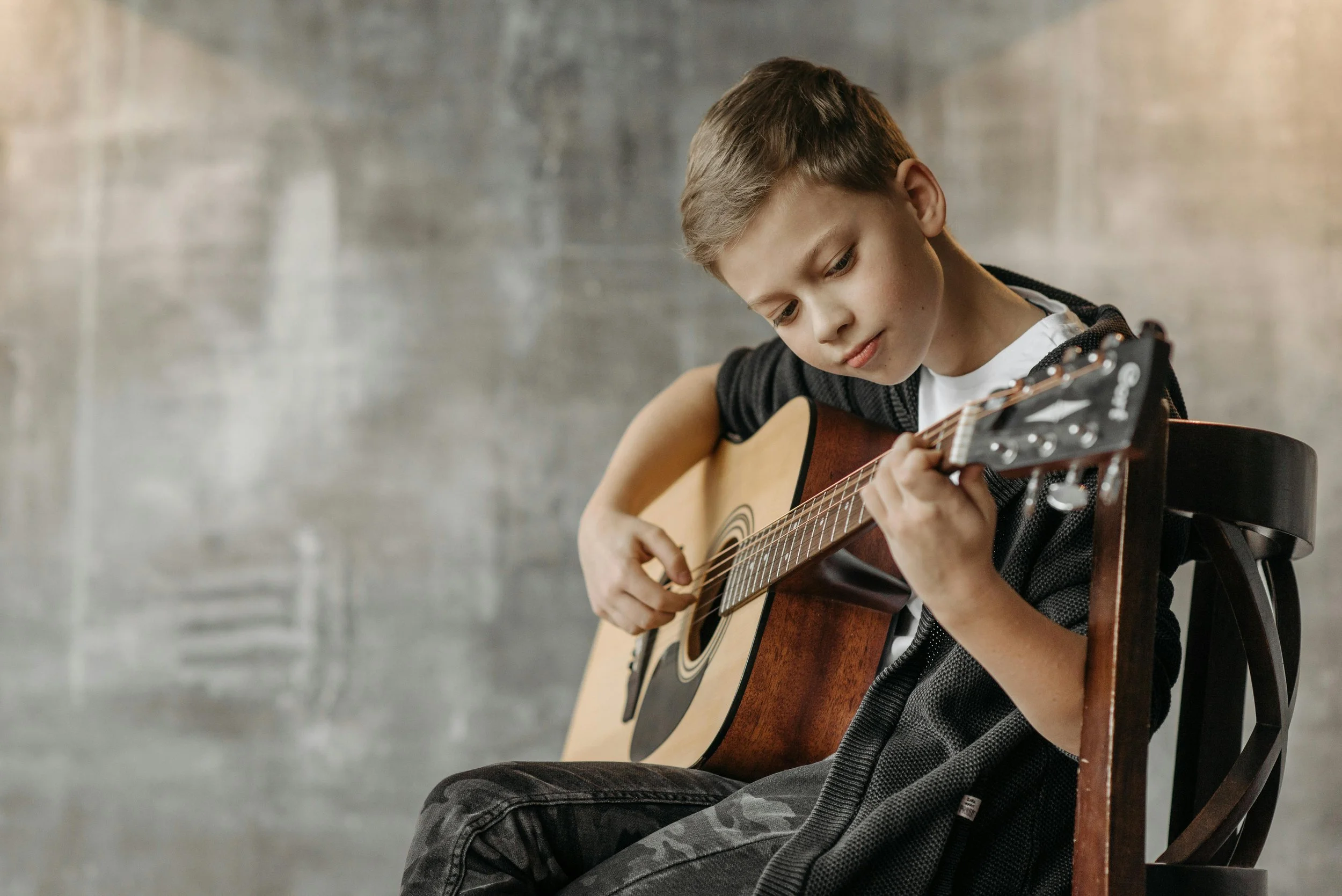
Schools thrive not just on academics - but on connection. Collaborative projects like class publications, art showcases, or storytelling days don’t just fill hallways with color and sound; they weave invisible threads between students, teachers, and staff. These shared creative rituals can turn campuses into small ecosystems of empathy, curiosity, and pride.
Images via Pexels
Major Points - Group projects rooted in creativity - from collaborative yearbooks to public art exhibitions - help students and teachers build authentic connections. They foster belonging by turning individual contributions into collective memories and shared pride.
The Unexpected Power of Collective Creativity

When students and educators create together, learning turns relational. Projects like:
Class-run podcasts
Storytelling festivals
Community murals
transform a school from a building into a living, collaborative studio.
A math teacher painting next to a third grader, or a librarian editing stories for a digital magazine, erases the usual hierarchy and builds mutual respect. Similar initiatives have inspired tools like Canva for Education and Padlet, both emphasizing co-creation and feedback.
Creating a Yearbook That Connects Everyone
One of the most powerful rituals schools have is creating a yearbook - not just as a record of events, but as a collaborative time capsule of human experience. By using a fully customizable design platform, schools can invite students and staff to co-design, write reflections, and add photos or drawings.
Built-in collaboration tools make it easy for teams to work together remotely, and bulk discounts with fast delivery make the process accessible to every class. The result? A beautiful artifact - and a stronger community that sees itself reflected in its own pages.
Quick How-To: Launching a “Together Project”
Here’s a simple framework to start your own school-wide collaboration:
Pick a Shared Theme: e.g., “Voices of Our Campus”
2. Form Mixed Teams: Pair students with staff members across grades
3. Set Creative Roles: Writer, editor, artist, curator, documentarian
4. Choose a Visible Output: A digital zine, public mural, short film
5. Celebrate Together: Host a small unveiling day, inviting families
(Resources: Google Arts & Culture for Schools)
Why It Works
Tradition Type | Main Impact on Community | Emotional Benefit | Bonus Effect
Art Showcases | Builds shared pride in visual storytelling | Sense of identity & expression | Encourages mentorship
Class Publications | Creates dialogue across classes | Strengthens voice & confidence | Improves writing collaboration
Storytelling Nights | Shares personal journeys and humor | Empathy & belonging | Cross-generational bonding
Collaborative Yearbooks | Documents memories inclusively | Nostalgia & gratitude | Strengthens alumni connection
(See also: Book Creator and StoryCorps for narrative inspiration.)
Checklist: Signs Your School Culture Is Strengthening
✅ Students use “we” more often than “I.”
✅ Teachers and staff co-host at least one student-led event.
✅ Projects reflect multiple cultures and voices.
✅ Shared spaces (hallways, digital boards) display evolving work.
✅ People linger to talk about projects after school ends.
If three or more boxes are checked - belonging is growing.
Product Spotlight: The Power of Tangible Creativity
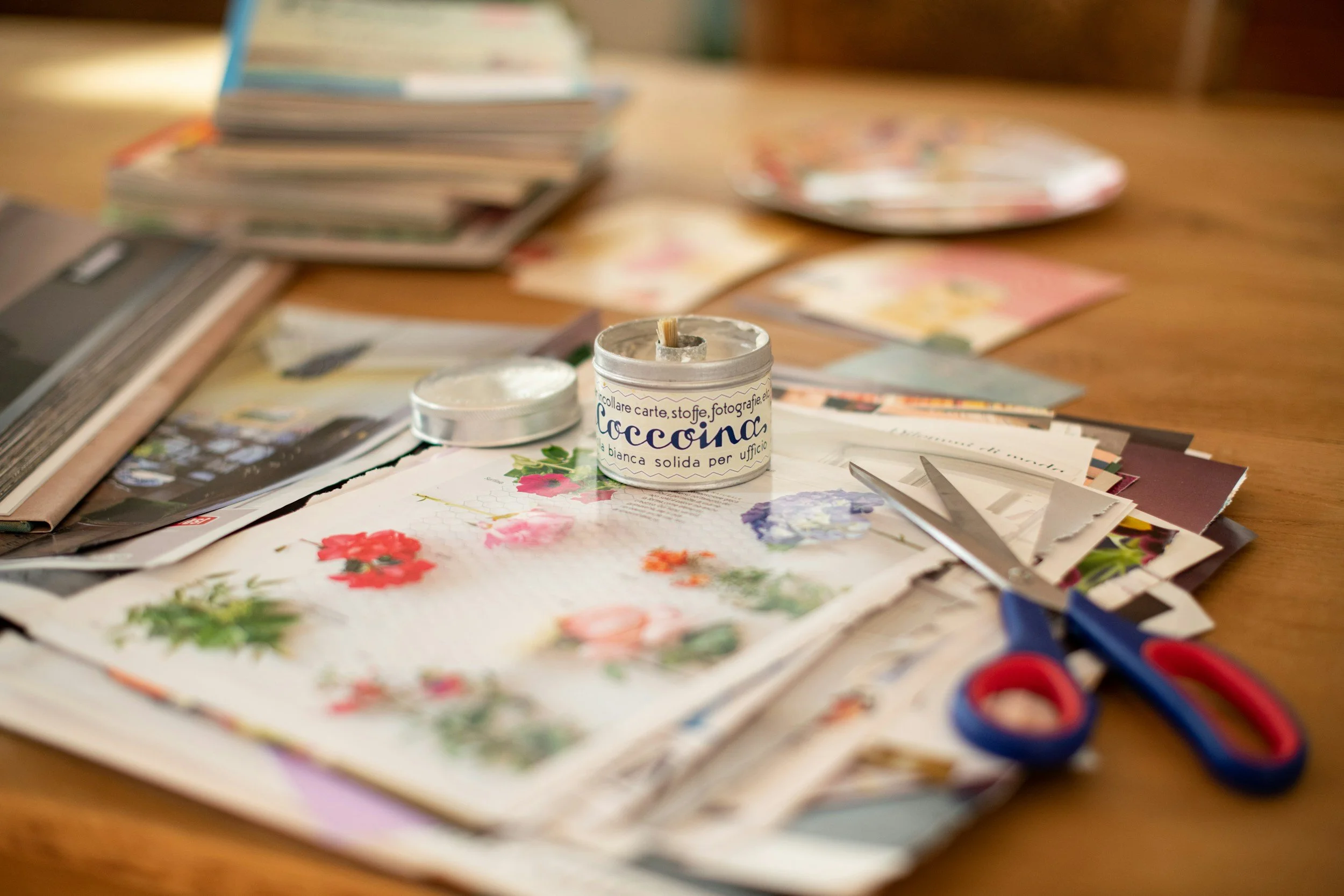
Tools like Cricut - once just for hobbyists - now appear in classrooms where design, math, and imagination intersect. Students use them to create banners, stickers, and 3D learning materials. What begins as crafting becomes collaboration: an art teacher helps with color theory, a STEM instructor measures precision, and a student discovers pride in creation.
FAQ: Common Questions About Collaborative School Projects
〰️
Q1
-
How can teachers manage time for creative projects?
A1:
-
By integrating them into existing subjects - e.g., a history zine doubles as an assessment.
〰️ Q1 - How can teachers manage time for creative projects? A1: - By integrating them into existing subjects - e.g., a history zine doubles as an assessment.
〰️
Q2
-
What if some students prefer working alone?
A2:
-
Encourage micro-contributions — a poem, a design, or a quote still connects to the whole.
〰️ Q2 - What if some students prefer working alone? A2: - Encourage micro-contributions — a poem, a design, or a quote still connects to the whole.
〰️
Q3:
-
How can digital tools help?
A3:
-
Platforms like Notion Education and Miro make distributed creation easy, especially for hybrid or online classes.
〰️ Q3: - How can digital tools help? A3: - Platforms like Notion Education and Miro make distributed creation easy, especially for hybrid or online classes.
〰️
Q4:
-
What’s the long-term value?
A4:
-
Students carry forward collaboration skills — essential for workplaces, civic life, and empathy.
〰️ Q4: - What’s the long-term value? A4: - Students carry forward collaboration skills — essential for workplaces, civic life, and empathy.
(Resources: Notion Education & Miro.)
A school that creates together stays together. Whether it’s through art, writing, or storytelling, these projects remind every student and teacher: “You belong here, and your story matters.” So grab the paint, open a shared doc, or start creating a yearbook - because the future of belonging is built, not taught.
Check out MightyMoms.net for more from Emily Graham, motherhood advocate recognizing the challenges of motherhood offering resources and information tailored for busy moms.
Discover the joy in math with Mister Marx, a PA-Certified II educator dedicated to helping students of all ages excel! Reach out today with questions about tutoring or to talk about a professional speaking engagement.